
Courses
All our courses are CPD Certified
We now request a £50 deposit, which is fully refunded upon arrival at the course.
Unless otherwise specified, our training courses are for local (i.e. Kent, Sussex, Surrey) and referring dentists. We reserve the right to decline attendance requests that fall outside these criteria. If in doubt, please ask!

Upcoming ‘Implant Restoration’ Courses will appear below:
Implant Restoration Course:
Part 1 & Part 2
Total 5 hours verifiable CPD
Course Overview
This two-part course is designed specifically for general dental practitioners who are new to implant restoration and wish to begin restoring straightforward implant cases with confidence.
Using the Ankylos® implant system by Dentsply Sirona, the course provides a structured, supportive introduction to implant restoration, focusing on predictable workflows, sound case selection, and practical skills development.
This course is ideal for GDPs who place referrals for implants and wish to begin restoring selected cases within their own practice.
Course Structure
Part 1: Introduction to Implant Restoration: 3 Hours, 6 pm - 9 pm
This session introduces the principles of restoring dental implants, with a focus on simple clinical cases such as single crowns and straightforward bridges. The evening includes a presentation from an experienced implantologist, a live patient demonstration, and a hands-on practical exercise to reinforce learning.
Part 2: Building Confidence in Implant Restoration: 2 Hours, 6 pm - 8 pm
This session builds on the foundations of Part 1, exploring common complications encountered during implant restoration and practical methods to manage and prevent them. Delegates will further develop their clinical skills through hands-on exercises and participate in group discussions of real implant cases completed by members of the practice team.
GDC Learning Outcomes – Verifiable CPD
On completion of this course, delegates will be able to:
Demonstrate an understanding of the principles and clinical workflow involved in restoring dental implants
Identify appropriate case selection for implant restorations, including single crowns and simple bridges
Recognise common complications associated with implant restoration and describe strategies to manage and prevent them
Apply practical techniques to restore dental implants with increased confidence
Use structured clinical decision-making when approaching more complex implant restoration cases
Reflect on case-based learning to support safe, effective, and predictable implant restoration in general practice
GDC Outcomes: C, A, B, D
Who Should Attend
General Dental Practitioners new to implant restoration who wish to confidently restore straightforward implant cases, including single crowns and simple bridges.
Ideal for GDPs who currently refer implant placement and want to begin restoring selected cases within their own practice.

Upcoming ‘Improving Digital Intra-Oral Scanning’ Courses will appear below:
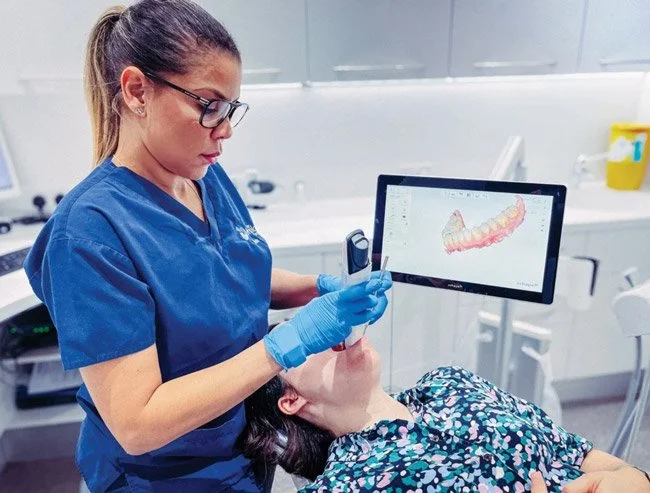
Improving Digital Intra-Oral Scanning
Total 3 hours verifiable CPD
Digital dentistry continues to advance rapidly, and accurate intra-oral scanning is essential for predictable restorative and implant outcomes. This practical CPD course is designed for those who wish to refine their digital scanning techniques, improve clinical efficiency, and strengthen collaboration with their dental laboratory.
This course will explore digital scanning from the dental laboratory perspective, focusing on the information and scan characteristics that support efficient workflows and predictable restorative outcomes.
We’ll discuss common scan-related factors that can impact case planning, design, and fabrication, as well as how clear digital data helps streamline communication between the practice and the laboratory. The goal is to provide insight into how scans are interpreted and used once they reach the laboratory, helping align expectations and improve overall case success.
Through a blend of focused lectures, live demonstrations, and hands-on scanning sessions, delegates will develop a deeper understanding of how high-quality scans directly influence restorative success.
Course aims and learning outcomes:
By the end of the course, participants will be able to:
Understand the principles of accurate digital intra-oral scanning and identify common sources of error
Improve scan quality for crowns, bridges, implant restorations, and full-arch cases
Apply effective soft tissue management and scanning strategies to achieve predictable results
Enhance dentist–laboratory communication through improved digital workflows
Reduce remakes and chairside time by delivering clinically and technically sound scans
Gain practical, real-world tips from both clinicians and dental technicians
GDC Learning Outcomes – Verifiable CPD
Improve your digital scanning accuracy, streamline dentist–laboratory communication, and reduce remakes through practical, lab-led insights into digital intra-oral scanning.
GDC Outcomes: C, A, B, D
Who should attend:
Dentists new to digital intra-oral scanning or those wishing to improve consistency and confidence
Clinicians placing or restoring implants
Practices aiming to fully leverage digital workflows and reduce remakes
Upcoming ‘Peri-implantitis’ Courses will appear below:
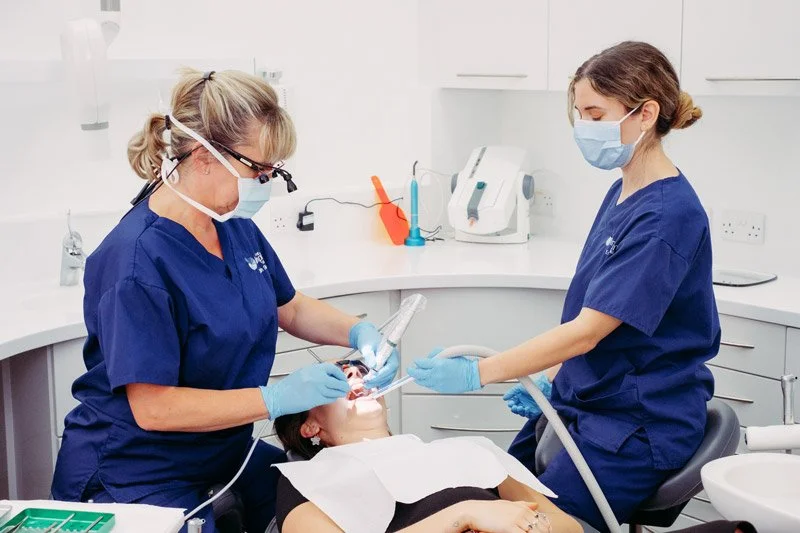
Peri-implantitis
Total 2 hours verifiable CPD
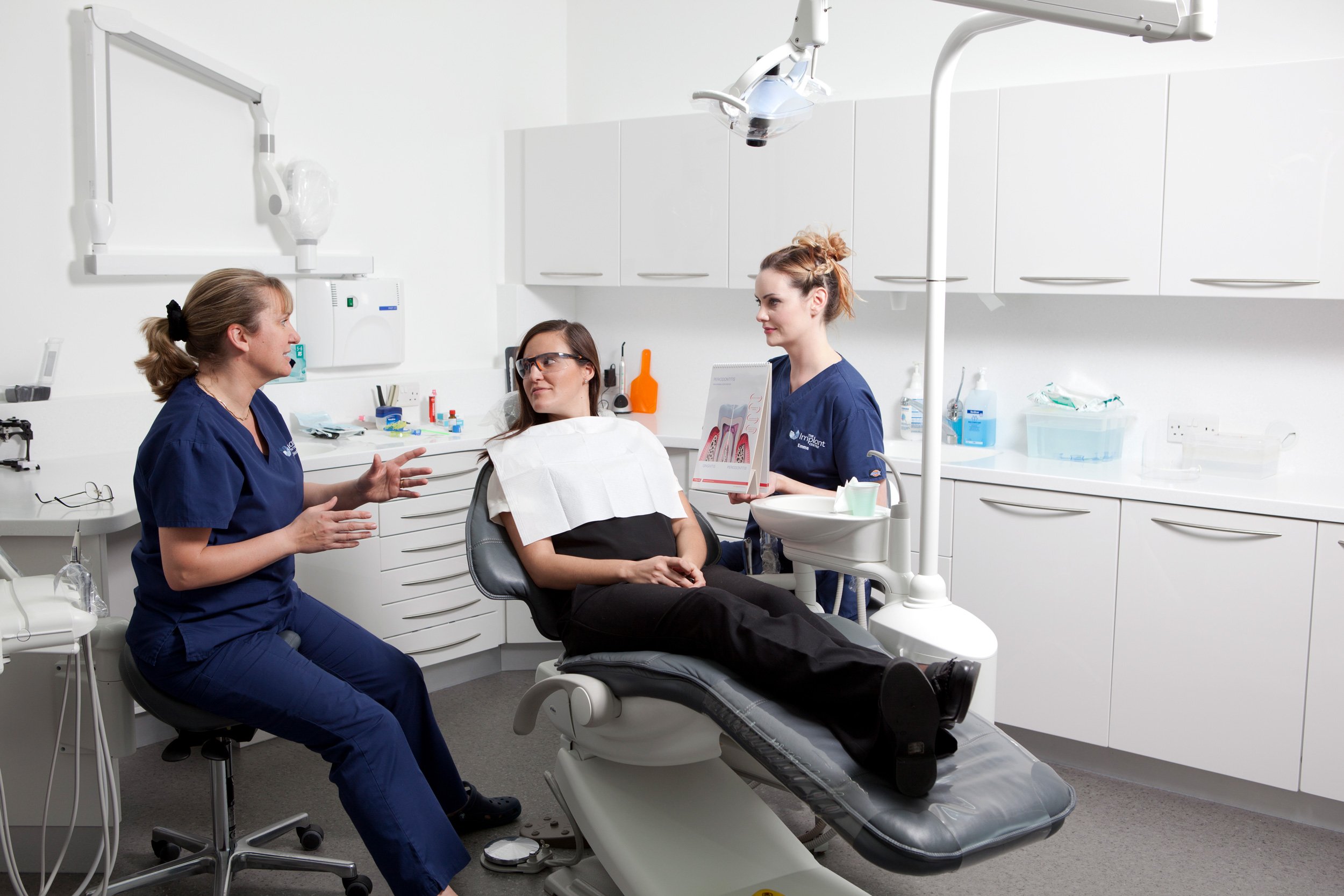
Dentists and hygienists will encounter more and more dental implants as the number being placed continues to grow. Many clinicians are unsure about how to look after implants placed elsewhere, and are understandably reluctant to do anything that may cause harm. As our patients and their implants age, peri-implantitis is also a growing problem.
This excellent 2-hour course shows both dentists and hygienists how to monitor and maintain the dental implants of their patients.
The different types of implants and restorations that may be encountered
Monitoring the health of a dental implant
When to take X-rays
How to spot if there is a problem
What causes peri-implantitis
When to probe around dental implants, and with what
Teaching patients how to clean around their implants
How to clean around an implant and any dangers involved
Is specialist implant cleaning equipment really needed?
How to deal with a problem – when to refer
Can ailing implants be treated without surgery?
How can we surgically treat these implants?
What actually happens when an implant fails?
Course aim & learning outcomes:
This course aims to equip clinicians with the knowledge and confidence to monitor, maintain and manage dental implants, prevent peri-implantitis disease and recognise when referral or advanced treatment is required.
Following the course, delegates will have a clear understanding of:
Different types of implant systems and restorations encountered in practice
How to assess implant health clinically and radiographically
The causes and early signs of peri-implantitis
Safe probing and professional cleaning of dental implants
Effective patient education for implant home care
Non-surgical and surgical management options for peri-implantitis
When referral is appropriate
GDC Development Outcomes – Verifiable CPD
Gain knowledge and understanding required to monitor, maintain and manage dental implants, recognise peri-implantitis, and determine appropriate management and referral pathways to support safe and effective patient care.
GDC Outcomes: A, B, C
Who Should Attend
This course is ideal for:
General Dental Practitioners
Dental Hygienists
Dental Therapists involved in implant maintenance
It is particularly suited to clinicians who provide ongoing care for patients with dental implants and want greater confidence in preventing and managing peri-implantitis.
Upcoming ‘Advanced Restoring Dental Implants’ Courses will appear below:
Advanced Restoring Dental Implants
Total 3 hours verifiable CPD
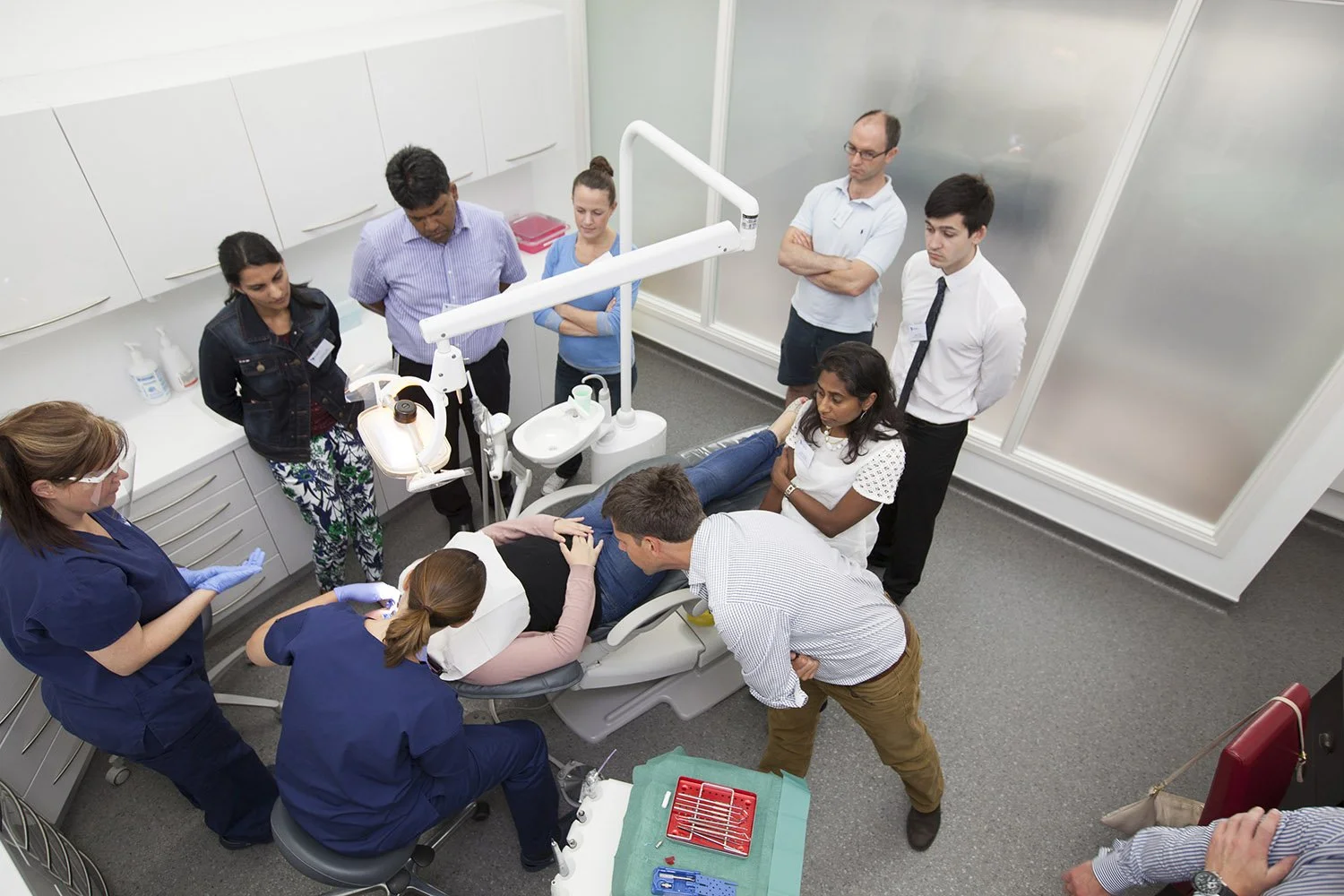
Many of our referring dentists are keen to keep developing their implant experience by taking on more challenging implant restoration cases. This course can help develop these skills to restore over-dentures and full-arch implant bridges. The evening consists of a demonstration on a patient, a detailed presentation, and case studies completed with some practical time.
How to make lower implant overdentures on locator attachments
The Syncone concept
How to make fixed implant bridges
Implant level or abutment level impressions
How to get the occlusion perfect
Special trays or stock trays
The impression materials you use in different situations
Fitting full-arch bridges – their traps and pitfalls, and how to avoid them
What to tell your patients about their longevity
How the patient should clean full-arch bridgework
What to do in case of problems when restoring the implants

Upcoming The Orthodontic–Restorative Interface’ Courses will appear below:
The Orthodontic–Restorative Interface: A Collaborative Way to Treat Patients
Total 1.5 hours verifiable CPD
This session explores how adjunctive orthodontics can support the management of restorative, periodontal, and prosthodontic challenges, with a particular focus on patients undergoing dental implant treatment. It will also examine how restorative techniques—such as composite bonding—can be integrated alongside orthodontic care to optimise functional and aesthetic outcomes.
Aims and Objectives
This course aims to enhance understanding of interdisciplinary collaboration between orthodontics and restorative dentistry.
By the end of the session, delegates should be able to:
Better understand the role of orthodontics in the interdisciplinary management of patients with restorative, prosthodontic, and periodontal problems
Identify patients who would benefit from a collaborative orthodontic–restorative approach
Appreciate how adjunctive orthodontics can improve implant case outcomes
Understand how restorative techniques, including composite bonding, can complement orthodontic treatment
GDC Learning Outcomes – Verifiable CPD
Understand the interdisciplinary collaboration between orthodontics and restorative dentistry to manage patients with restorative, prosthodontic, and periodontal problems.
GDC Outcomes: C
Who Should Attend
This course is suitable for:
General Dental Practitioners (GDPs)
Implant dentists
Restorative and cosmetic dentists
Orthodontists
Dental therapists and hygienists with an interest in interdisciplinary care
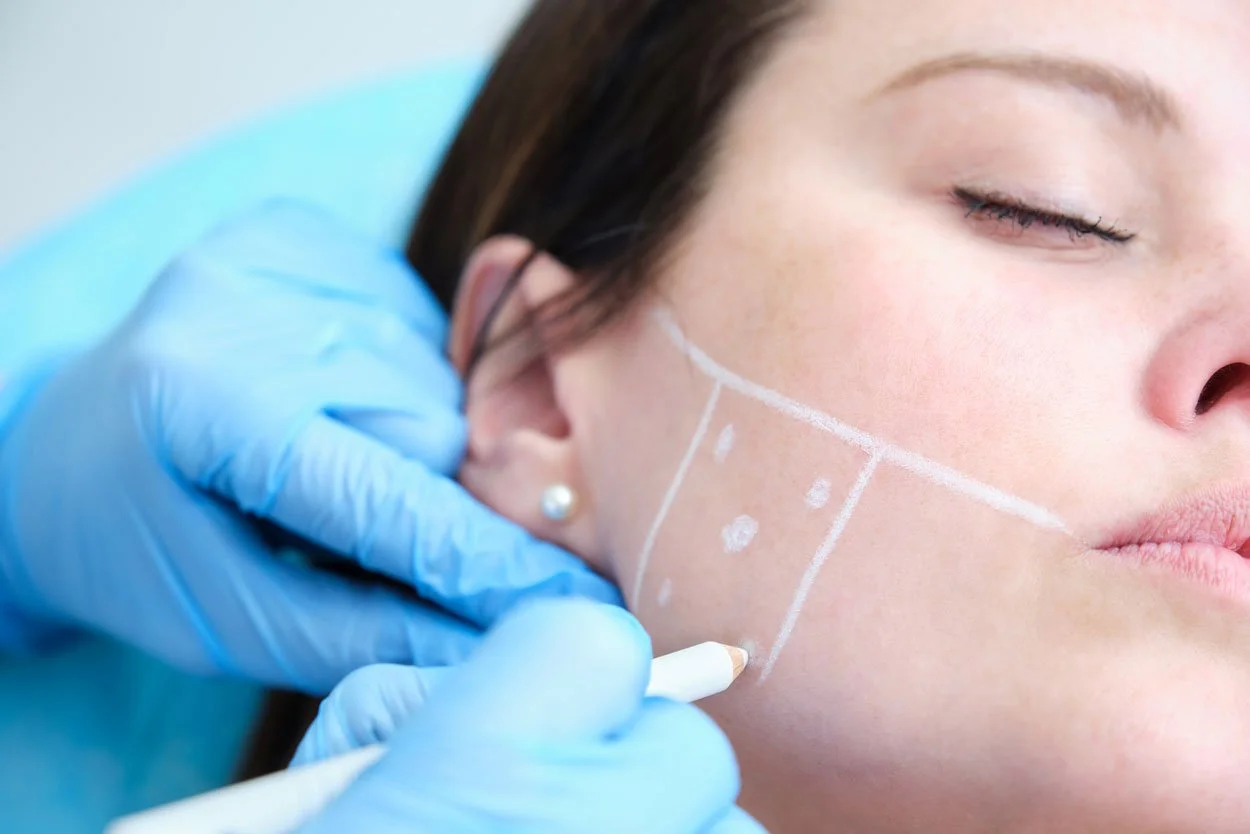
Upcoming Masseter Botox Courses will appear below:
Masseter Botox Course
The Game-Changing Approach for Patients Who Break Everything
Total 1 hour of verifiable CPD
Please note this course will be in Haywards Heath
Join us for an educational evening designed exclusively for referring dentists, focused on the effective identification and management of patients affected by bruxism, clenching, and facial pain associated with temporomandibular disorders (TMD).
Led by Dr Sally Rayment, this session will explore how a collaborative, multidisciplinary approach can improve patient outcomes while protecting your restorative work.
The lecture will cover:
How to identify patients presenting with parafunctional habits
The functional impact of bruxism on dentition, musculature, and overall quality of life
When patients may benefit from targeted muscle-relaxing treatments, and how to discuss these options effectively
How to streamline your workflow by understanding when and how to refer appropriately
By strengthening communication between primary and advanced care providers, this approach enables more predictable long-term management, reduces restorative failure, and ensures patients receive safe, medically led care.
GDC Learning Outcomes – Verifiable CPD
By the end of this lecture, participants will be able to:
Communicate effectively with patients about parafunctional habits such as bruxism and clenching, recognise and appropriately manage signs of TMD within a structured care pathway, apply evidence-based knowledge of parafunction and its impact on restorative dentistry and demonstrate sound clinical judgement through appropriate referral and collaborative care.
GDC Outcomes: A, B, C
Who Should Attend
This session is ideal for clinicians who:
Manage patients with failing restorations linked to parafunction
Want to improve diagnosis and confidence in managing bruxism and TMD
Are looking to build a trusted referral pathway for advanced care
Wish to enhance long-term treatment outcomes and patient satisfaction